
The days of 'pay me when the job's done' are disappearing fast across the UK trades sector. Builders, electricians, plumbers, roofers, landscapers and kitchen fitters are increasingly demanding deposits before they even unload a van. Some customers see it as greed or mistrust. In reality, many tradespeople now see upfront deposits as basic survival.
A combination of volatile material prices, fake bookings, rising fuel costs, labour shortages and brutal cash-flow pressure has changed how small trade businesses operate. The old system relied heavily on trust and predictable costs. Modern Britain, naturally, has decided to replace both with chaos.
Compare your quote against typical UK regional prices — free, no sign-up.
Material prices can change within days
For many tradespeople, one of the biggest reasons for upfront deposits is simple: material prices are no longer stable. UK construction and trade supply chains have become far more unpredictable over recent years. Timber, copper, insulation, cement, wiring, plasterboard and roofing materials have all experienced periods of sharp price movement.
According to the Office for National Statistics and Builders' Merchants News, material inflation has repeatedly squeezed smaller contractors who do not have the buying power of national firms.
A plumber pricing a bathroom refit in April may discover by May that brass fittings and copper pipework have increased significantly. A roofer quoting for membrane and timber may find suppliers have changed prices before the job even begins. Without deposits, many small firms are effectively gambling their own money on future prices.
Small trades businesses rarely have large cash reserves
Large construction firms can absorb temporary losses or bulk-buy materials months in advance. Most independent tradespeople cannot. Many sole traders and small teams operate week to week. A £2,000 materials order for a kitchen, driveway or extension can place serious pressure on cash flow. If a customer cancels late or delays payment, the tradesperson carries the financial damage personally.
Deposits allow tradespeople to secure materials immediately, lock in prices earlier, avoid funding projects from personal savings and reduce exposure to supplier increases. For many businesses, deposits are no longer optional protection — they are becoming part of standard operating practice.
Fake bookings have become a genuine problem
Tradespeople across the UK increasingly complain about fake enquiries, last-minute cancellations and 'ghost customers'. Some customers book multiple tradespeople simultaneously, then disappear once they choose somebody cheaper. Others delay projects indefinitely after materials have already been ordered.
The rise of online quote platforms and social media advertising has unintentionally made this worse. A builder might spend 90 minutes visiting a property, another hour pricing materials, fuel travelling across towns, plus admin time preparing quotes and follow-ups — only for the customer to vanish entirely. Unlike office workers, most tradespeople only make money while physically working. Deposits help filter serious customers from casual browsers.
Social media has increased price shopping
Facebook groups, Checkatrade-style platforms and local WhatsApp recommendations have created a highly competitive quote culture. Customers now routinely collect five or six quotes for relatively small jobs. Tradespeople report spending enormous amounts of unpaid time preparing estimates that never convert into work.
Some trades businesses have started charging survey fees, design fees, booking deposits or material reservation payments — not because they enjoy administrative warfare, but because too many enquiries lead nowhere. Human civilisation somehow invented a system where skilled people spend unpaid evenings producing free estimates for customers who may never reply. Economists call this 'market efficiency'. Tradespeople usually call it something less printable.
Late payments are crushing smaller contractors
Late payment is another major driver behind upfront deposits. Large companies delaying invoices is a long-standing problem in UK business, but smaller domestic jobs now suffer from similar issues. Many tradespeople report customers delaying payment for days or weeks after completion.
For small firms, delayed payments create serious knock-on problems: supplier bills still need paying, fuel costs continue immediately, wages for subcontractors remain due, tax obligations do not wait, and van finance payments continue monthly. According to the Federation of Small Businesses, late payments remain one of the biggest threats to UK small business stability.
Many reputable tradespeople still prefer staged payments rather than demanding huge sums upfront — for example, 25% deposit, 50% midway through, final payment on completion. This structure protects both sides more fairly.
Fuel costs continue to hurt mobile businesses
Fuel uncertainty has also changed how trades businesses price work. Most tradespeople depend entirely on vans. Rising diesel and petrol prices affect travelling to jobs, collecting materials, waste disposal trips, staff movement and tool transport. UK fuel prices have remained volatile due to global oil movements, refinery pressures, taxation and wholesale market fluctuations.
In rural parts of Britain, tradespeople often travel substantial distances between jobs — increasing fuel spend, vehicle wear, travel time and insurance exposure. A landscaping company travelling across counties with trailers and machinery may burn hundreds of pounds in fuel weekly. Deposits help offset some of these unpredictable operational costs before work begins.
Customers have also become more risk-aware
There is another side to this trend: customers themselves have become more cautious. Stories about rogue traders, unfinished work and disappearing builders have made homeowners nervous about paying deposits.
As a result, reputable tradespeople increasingly try to appear more professional by using written contracts, providing invoices, offering staged payment schedules, showing insurance certificates and using registered businesses and websites. The better-run firms understand that transparency matters more than ever.
While deposits are increasingly normal, customers should still be cautious if the deposit requested is unusually high, no paperwork is provided, the business has no reviews or trading history, payment is requested only in cash, or there is pressure to pay immediately. Reasonable deposits are common; excessive pressure remains a warning sign.
The UK trades sector is under financial pressure
The broader reality is that many UK trades businesses operate under constant financial strain. They face higher insurance costs, expensive vans and tools, increased taxes, rising wages, supplier volatility and slower consumer spending. At the same time, customers are also financially stretched, which creates tension during pricing discussions.
The result is a market where both sides feel financially defensive. Deposits are becoming less about distrust and more about managing uncertainty in an unstable economy.
For many UK tradespeople, upfront deposits are no longer viewed as aggressive business behaviour. They are increasingly seen as protection against a business environment that has become unpredictable and financially risky. In many cases, the deposit is not funding luxury lifestyles or brand-new pickup trucks. It is funding copper pipe, diesel, roofing felt and the ability to survive another month running a small business in Britain — a country where even buying a box of screws now feels like participating in commodity trading.
Real UK price examples
Typical 2026 ranges based on submitted quotes and regional pricing data.
Key takeaways
- Deposits of 10–25% on medium jobs are now normal and usually reasonable.
- Never pay more than 25% upfront before materials arrive or work starts.
- Prefer staged payments tied to clear milestones on larger projects.
- Walk away from cash-only deposits with no paperwork or trading history.
- Pay by card or bank transfer — card payments over £100 get Section 75 protection.
Frequently asked questions
Check your quote against UK pricing data
Get a fair-price range for your job in 30 seconds. Free, independent, no sign-up.
Related guides
More honest UK pricing guides you might find useful.
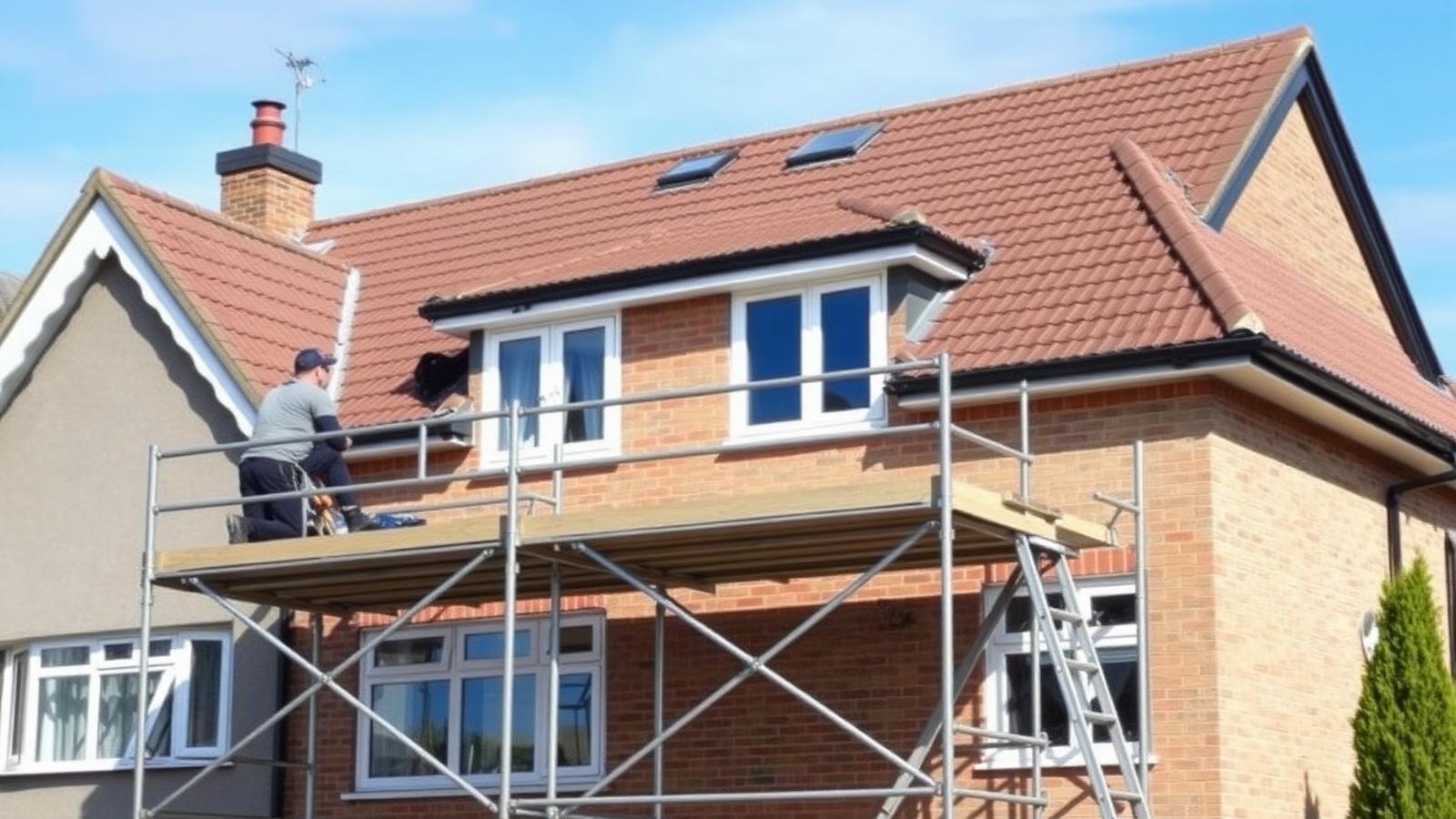
Real 2026 UK prices for full roof replacements — concrete tile, clay tile and slate — plus the scaffolding, felt and battening costs that swing the final bill.
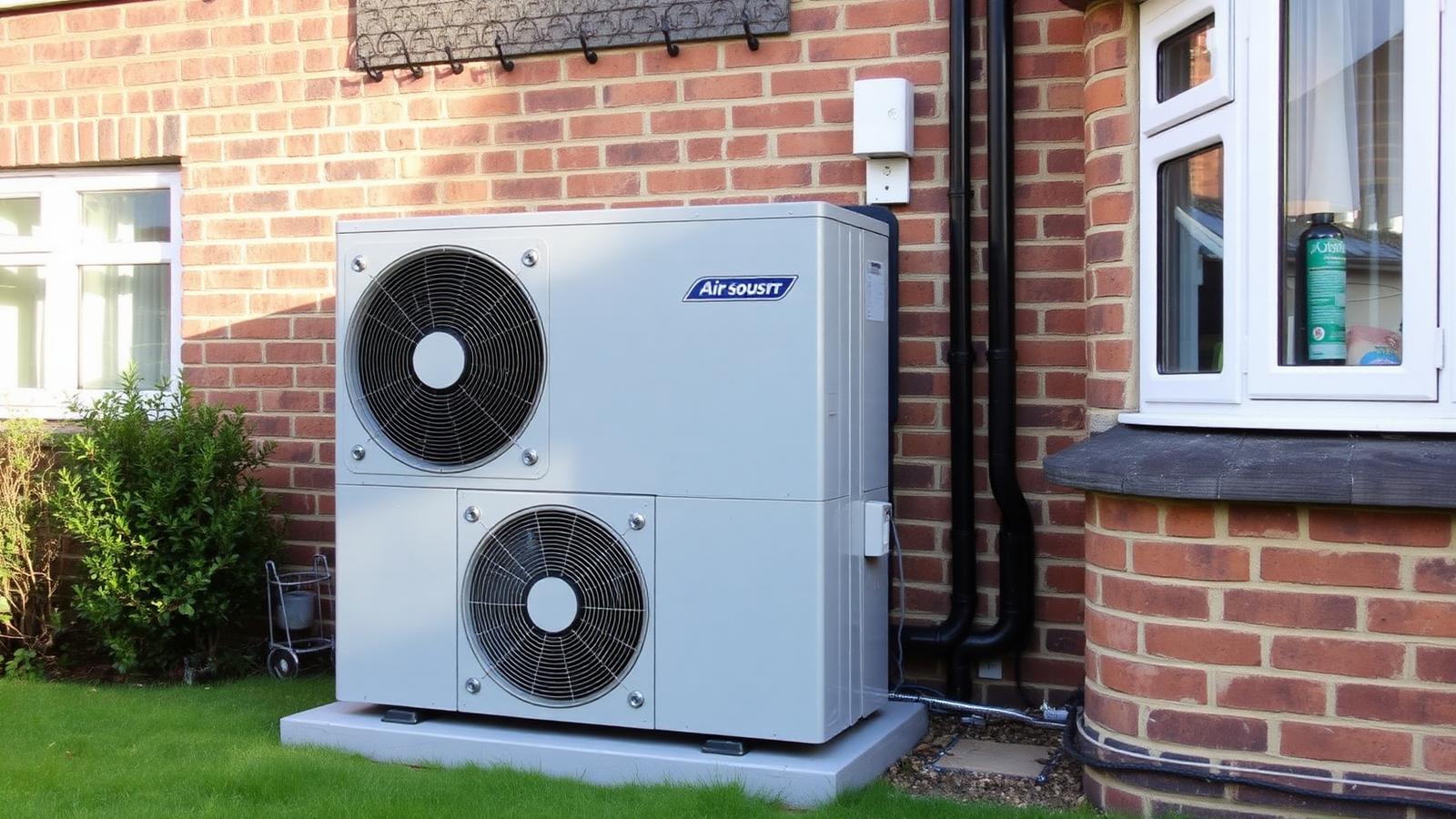
Real 2026 UK prices for air source heat pump installs — unit, hot water cylinder, radiator upgrades and the BUS grant — plus what 'heat pump ready' actually means.
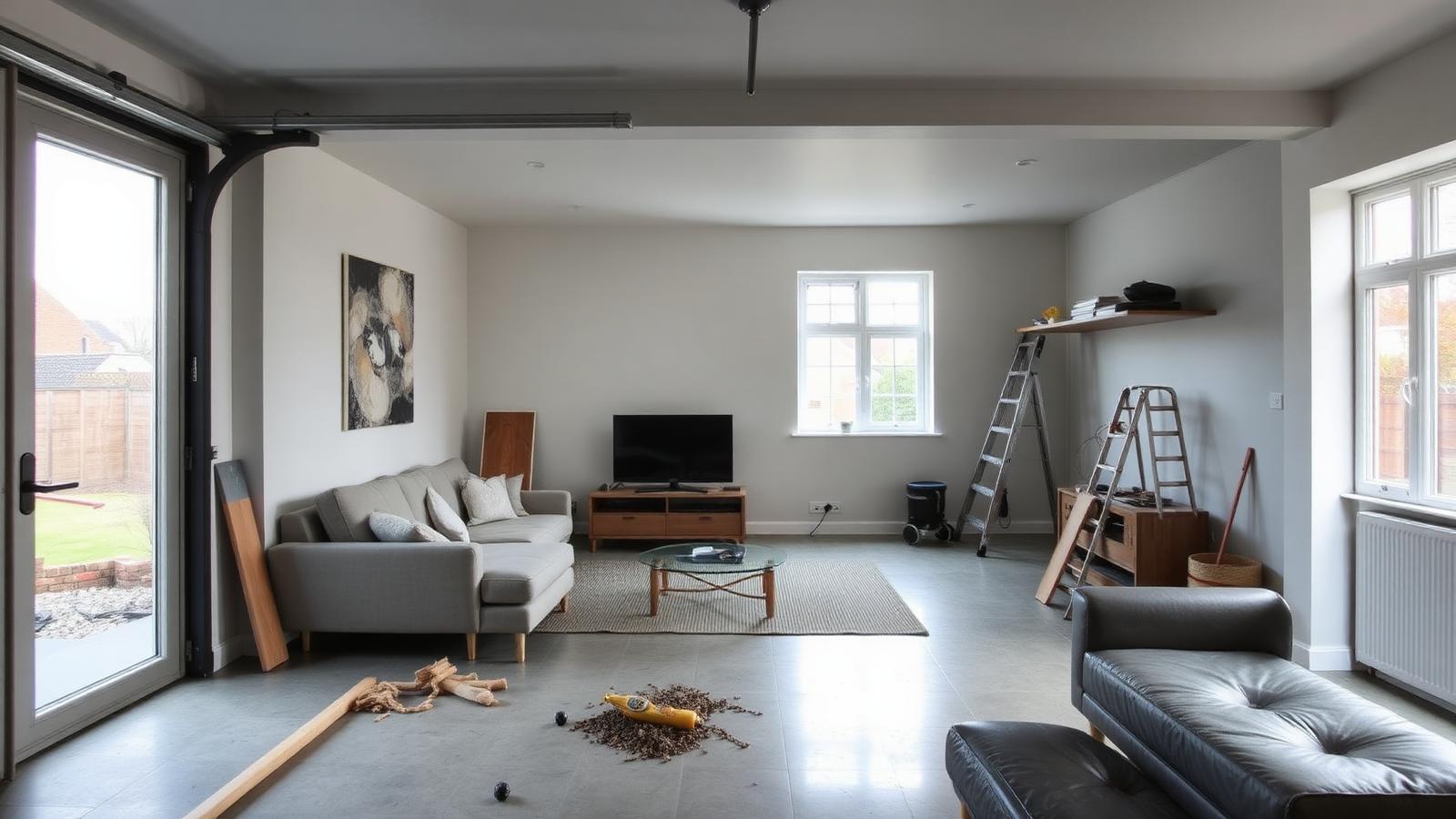
Real 2026 UK prices for converting a single or double garage into living space — insulation, floor build-up, windows and the building regs work that's not optional.
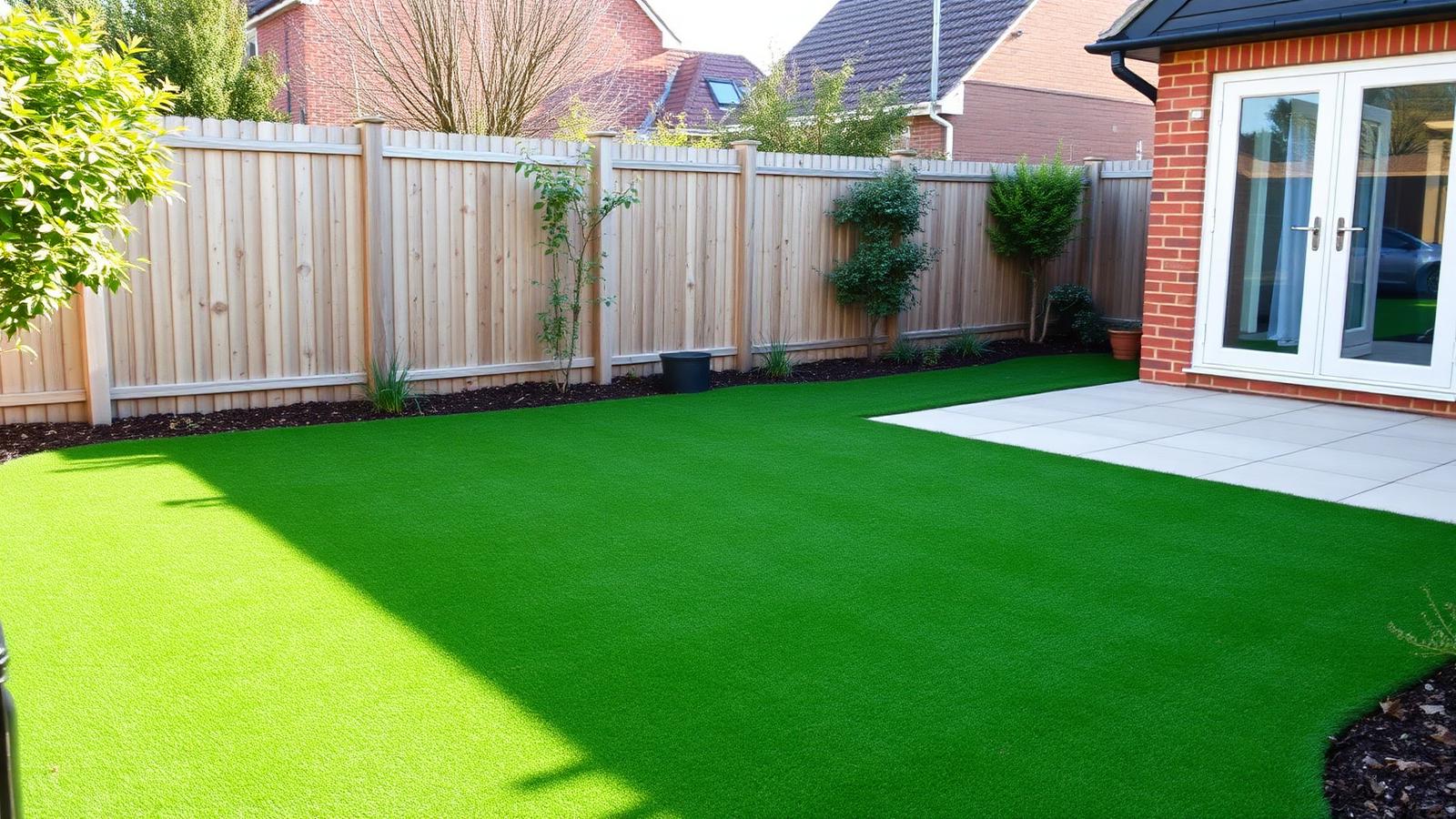
Real 2026 UK prices for artificial grass supplied and fitted — by quality grade and per m² — plus the base prep that decides whether it lasts 15 years or 3.