
If you've ever wondered whether a quote you've been given is fair, the honest answer is: it depends on the job, your region, your property and how urgent it is. But for most common jobs, clear typical price ranges do exist.
This guide pulls together the typical 2026 UK price ranges for the most common home jobs — boiler swaps, rewires, bathrooms, plumbing call-outs, plastering, painting, roofing and more — so you've got a benchmark before you sign anything.
Compare your quote against typical UK regional prices — free, no sign-up.
How UK trades actually price work
Most UK trades price one of three ways: a fixed price for the whole job (boilers, bathrooms, rewires), a day-rate (general builders, plasterers, decorators) or a call-out plus hourly rate (emergency plumbers, electricians, locksmiths).
Skilled-trade day rates in 2026 sit between £230 and £450 depending on region and trade. London and the South East are typically 25–40% above the national average; the North East, Wales and parts of Scotland are usually 10–20% below.
What 'average' actually means
When we quote a 'typical' price, we mean the middle of the bell curve for a like-for-like job — same property type, same region, no major complications. The 'low' is what a competent local trade with low overheads might quote. The 'high' is the upper end before it becomes overcharging.
Anything more than 25% above the typical range usually means inflated parts, padded labour, or both. Always get three written, itemised quotes before committing to anything over £1,000.
Regional differences to expect
London adds roughly £80–£150/day in labour vs the national average, plus parking and congestion charges. The South East and Home Counties sit just below London. The Midlands and South West tend to be close to the UK average.
Wales, the North East, Yorkshire and most of Scotland are often the cheapest regions for labour — though parts and materials cost roughly the same everywhere.
When urgency changes the price
Emergency call-outs (out-of-hours plumbing, electrical faults, lockouts) typically carry a £90–£180 call-out fee and an hourly rate 1.5–2x the standard. Same-day jobs are usually 20–35% above a scheduled visit.
If you can wait 5–10 working days, you'll almost always get the best price — trades fill quiet slots in their diary at a discount.
Real UK price examples
Typical 2026 ranges based on submitted quotes and regional pricing data.
Key takeaways
- Three written, itemised quotes is the minimum for any job over £1,000.
- London and the South East run 25–40% above national average — adjust your benchmark accordingly.
- Emergency and same-day work carries a 20–100% premium. Wait if you can.
- A quote 25%+ above the typical range almost always means inflated parts or padded labour — push back.
- Use a calculator that factors in your region, property type and urgency before signing anything.
Frequently asked questions
Check your quote against UK pricing data
Get a fair-price range for your job in 30 seconds. Free, independent, no sign-up.
Related guides
More honest UK pricing guides you might find useful.

Volatile material prices, fake bookings, fuel costs and brutal cash-flow pressure are pushing UK trades from 'pay on completion' to upfront deposits. Here's what's really driving it — and what's reasonable.
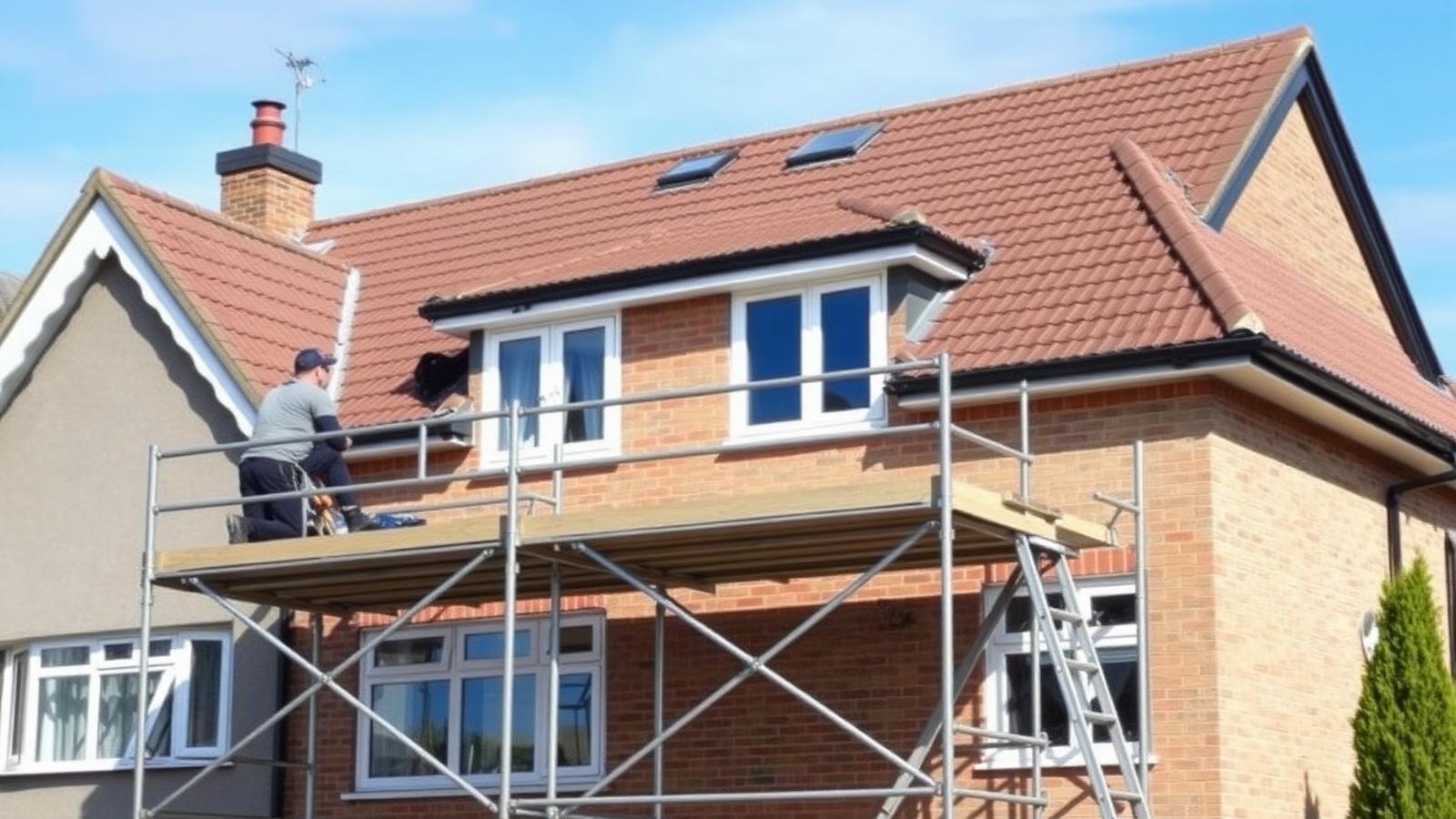
Real 2026 UK prices for full roof replacements — concrete tile, clay tile and slate — plus the scaffolding, felt and battening costs that swing the final bill.

Real 2026 UK prices for air source heat pump installs — unit, hot water cylinder, radiator upgrades and the BUS grant — plus what 'heat pump ready' actually means.

Real 2026 UK prices for converting a single or double garage into living space — insulation, floor build-up, windows and the building regs work that's not optional.