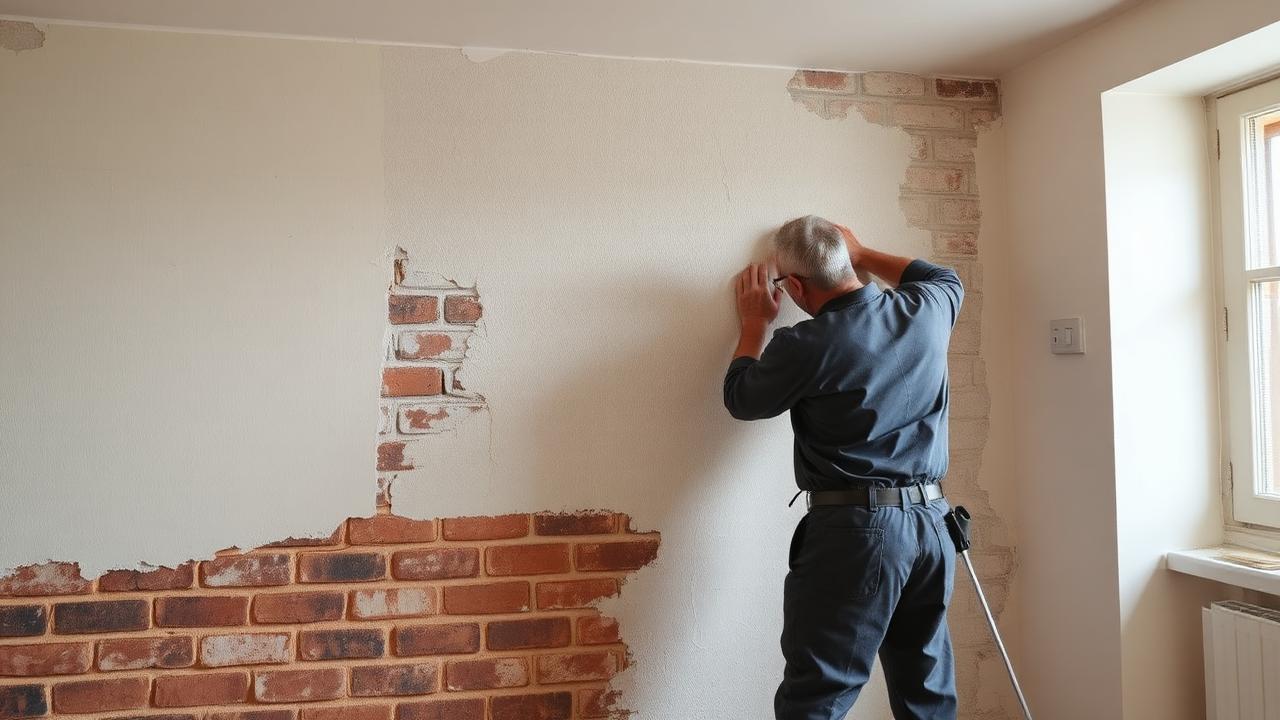
Damp is the most over-diagnosed problem in UK housing. Independent surveyors estimate 60–80% of 'rising damp' diagnoses by free-survey contractors are actually condensation or penetrating damp — both of which cost a fraction to fix.
Below are real 2026 prices for the genuine treatments, and how to avoid £3,000+ injection jobs you don't actually need.
Compare your quote against typical UK regional prices — free, no sign-up.
The three types of damp — and what they really cost
Condensation (most common) is fixed with ventilation, dehumidifiers, and sometimes a positive input ventilation (PIV) unit at £450–£900 fitted. No chemical injection needed.
Penetrating damp comes through walls — usually a roof, gutter, pointing or render fault. Fix the source (£200–£1,500 typically) and the wall dries out. Internal replastering after: £400–£800 per wall.
True rising damp (rare in modern UK housing) needs a chemical DPC injection, £350–£700 per wall, plus internal replastering at £400–£800 per wall. Total for a 3-bed terrace: £2,000–£4,500.
Why 'free damp surveys' are a problem
Companies offering free surveys make their money from the work that follows. The Property Care Association (PCA) itself has acknowledged that free-survey 'rising damp' diagnoses are over-prescribed.
Always pay for an independent damp survey from a CSRT-qualified surveyor with no contracting interest — typically £250–£500 for a 3-bed house. It will save you thousands if rising damp isn't actually the problem.
Fair vs inflated quote signs
A genuine quote will diagnose the type of damp (with moisture readings, salt analysis or a thermal camera) before recommending treatment. It will rule out condensation and penetrating sources first.
Red flags: 'rising damp' diagnosis based only on a meter reading near the floor, no investigation of guttering or external pointing, and pressure to sign on the day of the survey.
Replastering and aftercare
After any damp treatment, the existing salt-contaminated plaster usually needs to be hacked off and replaced with a salt-resistant render and skim. Allow £400–£800 per wall.
Don't redecorate for at least 4–6 weeks after replastering — paint over fresh plaster will trap moisture and cause new staining.
Real UK price examples
Typical 2026 ranges based on submitted quotes and regional pricing data.
Key takeaways
- Most 'rising damp' is actually condensation or penetrating damp — fix the source, not the symptom.
- Always pay for an independent CSRT-qualified survey before agreeing to chemical DPC injection.
- Avoid 'free survey' contractors — they're commission-driven and over-diagnose.
- True rising damp work for a 3-bed should cost £2,000–£4,500 including replastering.
- Wait 4–6 weeks before redecorating freshly replastered walls.
Frequently asked questions
Check your quote against UK pricing data
Get a fair-price range for your job in 30 seconds. Free, independent, no sign-up.
Related guides
More honest UK pricing guides you might find useful.

Volatile material prices, fake bookings, fuel costs and brutal cash-flow pressure are pushing UK trades from 'pay on completion' to upfront deposits. Here's what's really driving it — and what's reasonable.
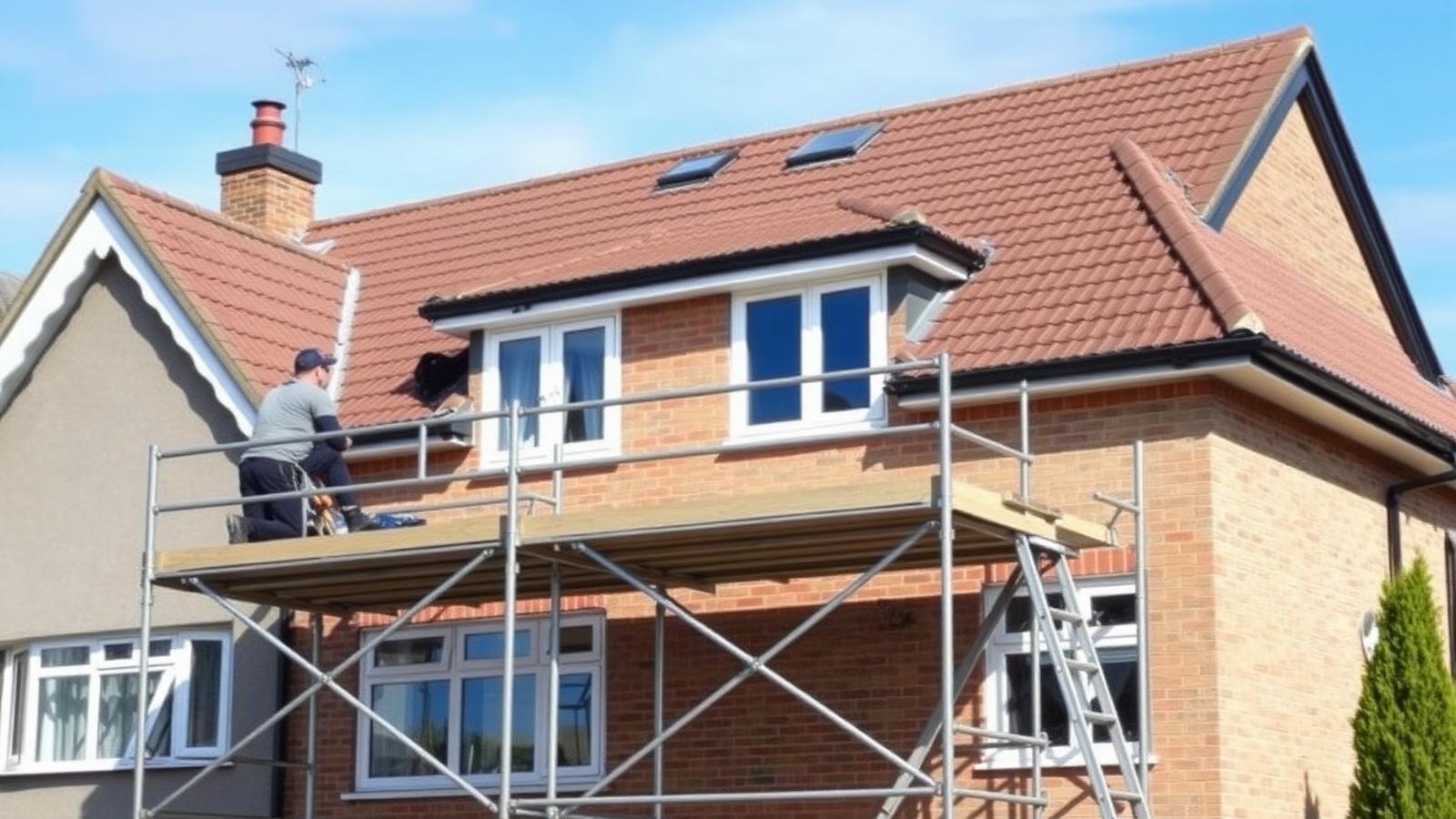
Real 2026 UK prices for full roof replacements — concrete tile, clay tile and slate — plus the scaffolding, felt and battening costs that swing the final bill.

Real 2026 UK prices for air source heat pump installs — unit, hot water cylinder, radiator upgrades and the BUS grant — plus what 'heat pump ready' actually means.

Real 2026 UK prices for converting a single or double garage into living space — insulation, floor build-up, windows and the building regs work that's not optional.