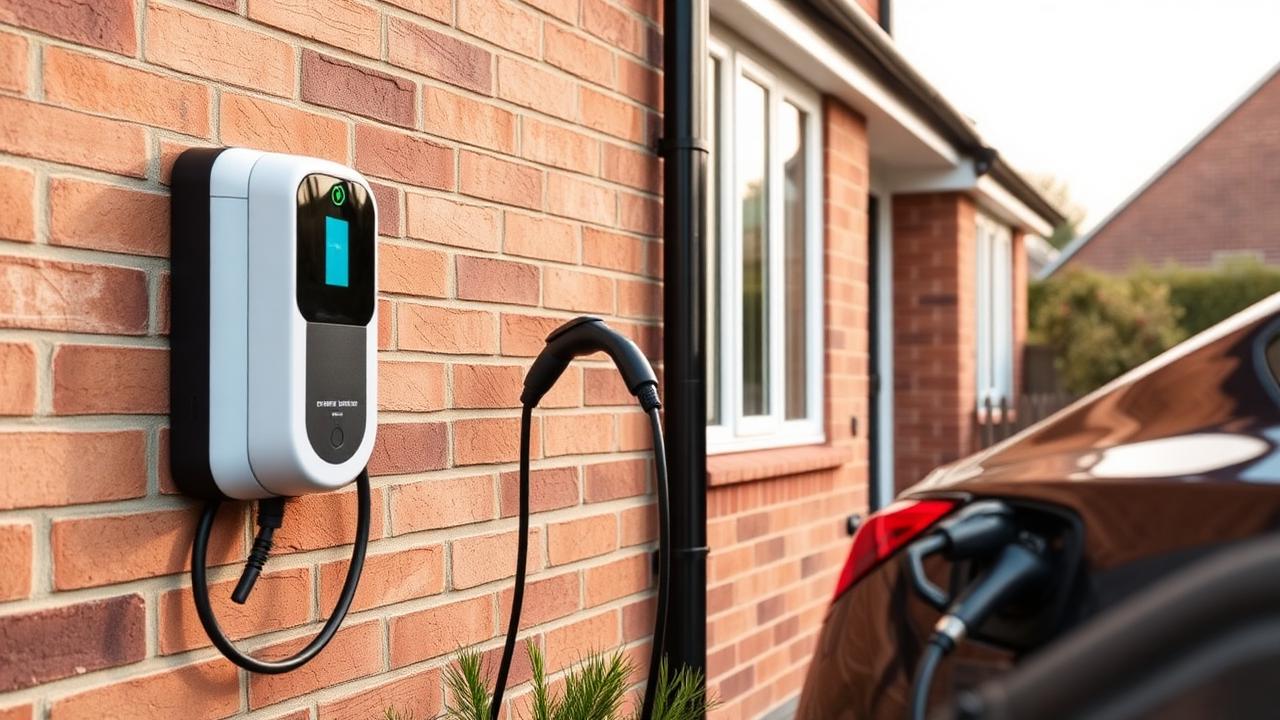
A standard 7kW home EV charger should cost £900–£1,400 fitted in 2026 for a typical UK install. Quotes above £1,800 usually mean either a complex install (long cable run, consumer-unit upgrade) or padding.
Below are the real numbers, the grant rules that still apply, and the bits where homeowners most often overpay.
Compare your quote against typical UK regional prices — free, no sign-up.
7kW vs 22kW — which do you need?
Almost all UK homes have a single-phase supply, which limits you to 7.4kW. That's enough to add ~30 miles of range per hour — more than overnight charging needs. Going to 22kW requires a three-phase supply upgrade (£3,000–£8,000 from your DNO) and is rarely worth it for residential use.
Stick with 7kW unless you have three-phase already or genuinely need rapid daytime top-ups.
What's in a fair quote
The wallbox unit (Ohme, Hypervolt, Pod Point, Andersen, Wallbox Pulsar, Zappi), Type 2 socket or tethered cable, up to 10m of cable run, RCBO/Type-A RCD protection, OZEV-approved installer labour, and DNO notification.
Smart-tariff features (Octopus Intelligent, off-peak scheduling) add no extra cost on most modern units.
EVHS grant and other support
The OZEV EVHS grant (£350) closed for owner-occupiers in 2022 but is still available in 2026 for renters and flat-owners — your installer must be OZEV-authorised and the unit OZEV-approved.
Workplace Charging Scheme (WCS) and Scotland's Energy Saving Trust loans remain — worth checking if you're a landlord or business.
Where quotes get inflated
Long cable runs (over 10m) add £15–£25/m — this is fair. 'Consumer unit upgrade required' is the most common padding line — sometimes genuine, often not. Always ask for the EICR finding that justifies it.
Earthing upgrades (PME fault protection / earth rod) are sometimes genuinely required and cost £150–£350 — not £600+. If a quote includes a 'TT system' install, get a second opinion.
Real UK price examples
Typical 2026 ranges based on submitted quotes and regional pricing data.
Key takeaways
- A standard 7kW home EV charger should cost £900–£1,400 fitted in 2026.
- Don't be sold a 22kW unit on single-phase — it'll throttle to 7.4kW anyway.
- EVHS grant is gone for owner-occupiers but still applies to renters and flat-owners.
- Push back on 'consumer unit upgrade required' lines without an EICR justification.
- Always use an OZEV-authorised installer registered with NICEIC or NAPIT.
Frequently asked questions
Check your quote against UK pricing data
Get a fair-price range for your job in 30 seconds. Free, independent, no sign-up.
Related guides
More honest UK pricing guides you might find useful.

Volatile material prices, fake bookings, fuel costs and brutal cash-flow pressure are pushing UK trades from 'pay on completion' to upfront deposits. Here's what's really driving it — and what's reasonable.
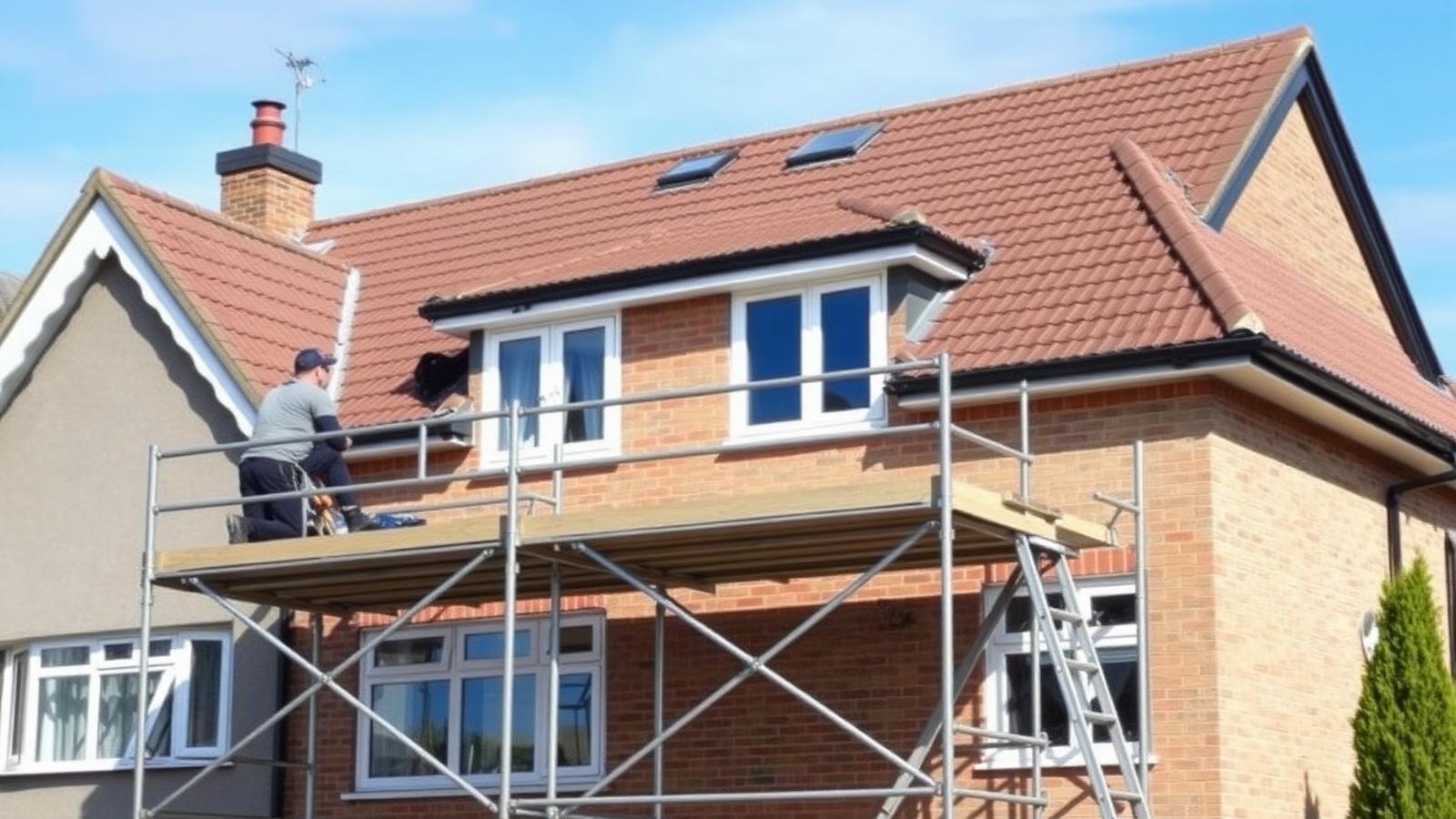
Real 2026 UK prices for full roof replacements — concrete tile, clay tile and slate — plus the scaffolding, felt and battening costs that swing the final bill.

Real 2026 UK prices for air source heat pump installs — unit, hot water cylinder, radiator upgrades and the BUS grant — plus what 'heat pump ready' actually means.

Real 2026 UK prices for converting a single or double garage into living space — insulation, floor build-up, windows and the building regs work that's not optional.