Not every trade overcharges, and most UK tradespeople are honest. But some categories of work are systematically more expensive than they should be — usually because the homeowner is under pressure, can't easily compare prices, or doesn't know what a fair benchmark looks like.
Below is our 2026 guide to the UK trades where homeowners are most likely to be overcharged, with a fair-price benchmark for each job and the specific tactics to watch for.
Compare your quote against typical UK regional prices — free, no sign-up.
1. Emergency plumbers
Top of the list almost every year. A burst pipe at 11pm puts the homeowner under maximum pressure with zero comparison time — exactly when prices balloon. Out-of-hours call-out fees of £150–£300 are normal, but £400+ for a job that takes under an hour is a sign you're being overcharged.
Common tactics: 'minimum 2-hour charge', vague 'parts' line items, and pressure to agree to additional work mid-job. Always ask for the call-out fee, hourly rate and any minimum charge in writing before they arrive.
2. Locksmiths
A genuine local locksmith for a standard lockout should cost £80–£150 in normal hours, £150–£250 out-of-hours. Quotes of £400–£800 for the same job are a warning sign — they often come from national 'directory' brands that subcontract the work.
Common tactics: 'drilling required' when picking would have worked, inflated lock replacement costs, and £100+ 'travel surcharges'. Always call a directly listed local locksmith, not the first Google ad.
3. Roofers (storm-damage call-outs)
After a storm, demand spikes and prices follow. A few slipped tiles that should cost £180–£350 to refit are routinely quoted at £800–£1,500 with scaffolding that wasn't strictly needed.
Common tactics: insisting on full scaffolding for small repairs, 'discovering' rotten battens mid-job, and pressure to commit before getting a second opinion. Always get a written quote with photos before agreeing.
4. Gas engineers (boiler repairs)
Boiler parts have huge mark-up potential. A £25 thermocouple quoted at £120, a £180 pump quoted at £450 — the homeowner has no easy way to verify trade prices.
Common tactics: 'condemned' boilers that just need a £200 part, inflated diversion-valve and PCB prices, and warnings that the boiler is 'unsafe' to push a full replacement. Always ask for the make, model and part number — then check Screwfix or a manufacturer parts site.
5. Driveway and tarmac 'travelling traders'
Door-knocking driveway pavers offering 'leftover tarmac at half price' are one of the oldest UK rip-offs. The work is usually thin, badly compacted and fails within 18 months — at 2–3x the cost of a properly quoted local firm.
Common tactics: cash-only, no written quote, no address on the van, and pressure to start 'today'. Never agree to driveway work from a cold caller — get three written quotes from local firms with reviews and a fixed address.
6. Tree surgeons (uninsured)
A standard mid-size tree fell or crown reduction should cost £400–£900. Uninsured operators routinely quote £1,500+ and skip the waste disposal — leaving you with the tip fees.
Common tactics: vague waste-removal lines, no public liability cover, and reluctance to confirm Arb Approved status. Always confirm £5m+ public liability and Arb Approved Contractor or LANTRA qualifications.
7. Emergency electricians
Less common than emergency plumbing but with similar pricing dynamics. A standard 'no power' fault diagnosis should run £90–£180 in hours and £150–£300 out-of-hours. A quote of £400–£600 for the same fault-find is a warning sign.
Common tactics: 'consumer unit needs replacing' when it doesn't, inflated diagnostic time, and bundling small repairs into a 'full electrical safety check'. Always ask for the Part P registration number.
Real UK price examples
Typical 2026 ranges based on submitted quotes and regional pricing data.
Key takeaways
- Out-of-hours and 'emergency' is where the biggest overcharging happens — get pricing in writing before anyone turns up.
- Never accept work from a door-knocker. The biggest UK driveway and roofing rip-offs start this way.
- Always ask for part make, model and number. A 30-second search reveals trade prices.
- Three written, itemised quotes is the rule — even for 'urgent' jobs you can usually wait a few hours.
- Check trade registrations: Gas Safe, NICEIC/NAPIT (electrical), Arb Approved (tree work), MPBA (paving).
Frequently asked questions
Check your quote against UK pricing data
Get a fair-price range for your job in 30 seconds. Free, independent, no sign-up.
Related guides
More honest UK pricing guides you might find useful.

Volatile material prices, fake bookings, fuel costs and brutal cash-flow pressure are pushing UK trades from 'pay on completion' to upfront deposits. Here's what's really driving it — and what's reasonable.
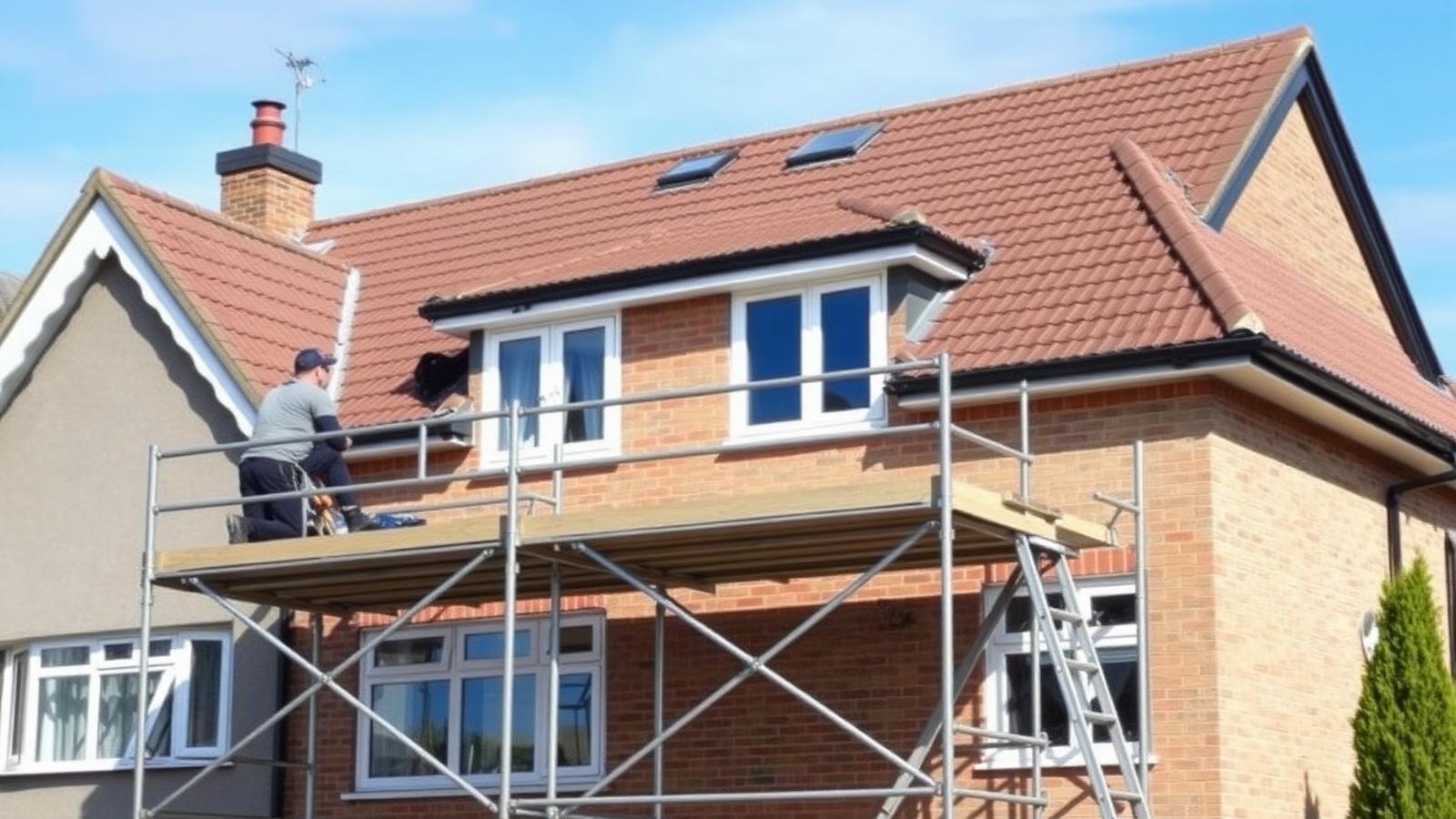
Real 2026 UK prices for full roof replacements — concrete tile, clay tile and slate — plus the scaffolding, felt and battening costs that swing the final bill.

Real 2026 UK prices for air source heat pump installs — unit, hot water cylinder, radiator upgrades and the BUS grant — plus what 'heat pump ready' actually means.

Real 2026 UK prices for converting a single or double garage into living space — insulation, floor build-up, windows and the building regs work that's not optional.