
Most UK tradespeople are honest. But the ones who aren't tend to use the same handful of tactics — and they work because homeowners rarely have a price benchmark to push back with.
Here are the five most common overcharging tactics to watch for in a quote, and how to spot each one.
Compare your quote against typical UK regional prices — free, no sign-up.
1. Inflated parts pricing
A £180 boiler pump quoted at £450. A £25 toilet flush quoted at £85. Most trades buy at trade prices (often 30–50% below retail) and pass on retail or above.
How to spot it: ask for the make, model and part number of every major part. A two-minute Screwfix or Toolstation search will show you the real price.
2. Vague 'sundries' or 'misc' line items
Anything over £50 labelled 'sundries' or 'miscellaneous' should be questioned. It's often where a 10–20% margin gets quietly added.
How to spot it: politely ask for a breakdown. If the answer is hand-wavy, it's a flag.
3. Day-rate creep
A 1-day job quoted as 2 days. A 2-day job quoted as 3. UK day rates for skilled trades sit between £250–£450 depending on region — even one extra day adds significantly.
How to spot it: ask how many days the job will take and what the day rate is. Compare against the typical durations on our calculator.
4. Scare tactics ('it's worse than I thought')
Mid-job, the quote suddenly grows by £1,500 because of an 'unforeseen' issue. Sometimes legitimate, often not.
How to spot it: ask for photo evidence of the issue. Insist on a written variation order before agreeing to extra cost. Never approve verbal extras over £200.
5. Cash discounts that aren't really discounts
'£500 off if you pay cash' usually means the original price was inflated to absorb the discount, plus you lose VAT recourse and consumer protection.
How to spot it: get 2–3 other quotes first. If the 'cash discount' price is still above the typical range, it's not a deal.
Real UK price examples
Typical 2026 ranges based on submitted quotes and regional pricing data.
Key takeaways
- Three quotes is the minimum — the middle one is usually closest to fair.
- Itemised, written quotes only. Walk away from anyone who refuses.
- Use a benchmark price for every job before you sign.
Frequently asked questions
Check your quote against UK pricing data
Get a fair-price range for your job in 30 seconds. Free, independent, no sign-up.
Related guides
More honest UK pricing guides you might find useful.

Volatile material prices, fake bookings, fuel costs and brutal cash-flow pressure are pushing UK trades from 'pay on completion' to upfront deposits. Here's what's really driving it — and what's reasonable.
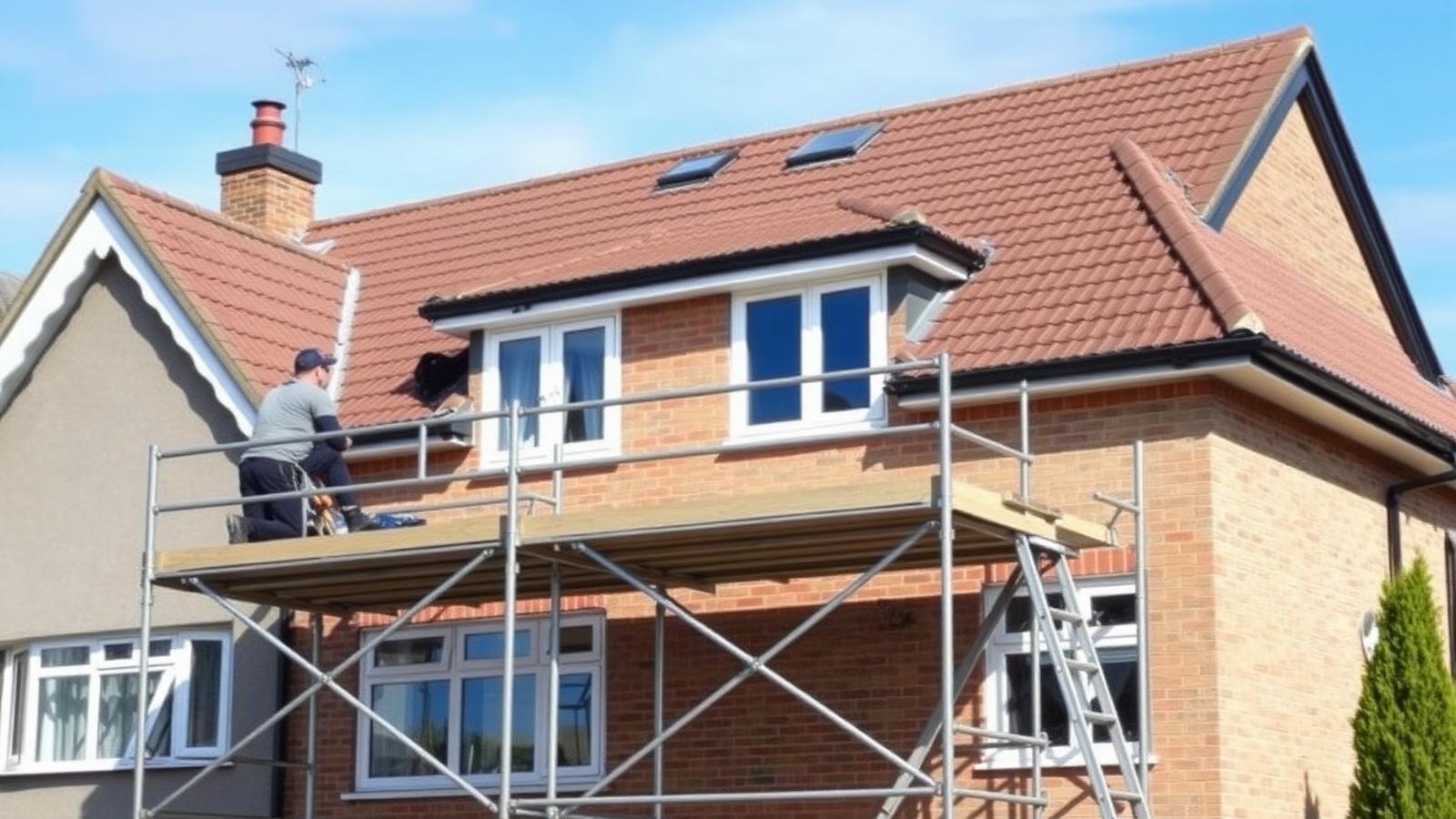
Real 2026 UK prices for full roof replacements — concrete tile, clay tile and slate — plus the scaffolding, felt and battening costs that swing the final bill.

Real 2026 UK prices for air source heat pump installs — unit, hot water cylinder, radiator upgrades and the BUS grant — plus what 'heat pump ready' actually means.

Real 2026 UK prices for converting a single or double garage into living space — insulation, floor build-up, windows and the building regs work that's not optional.